
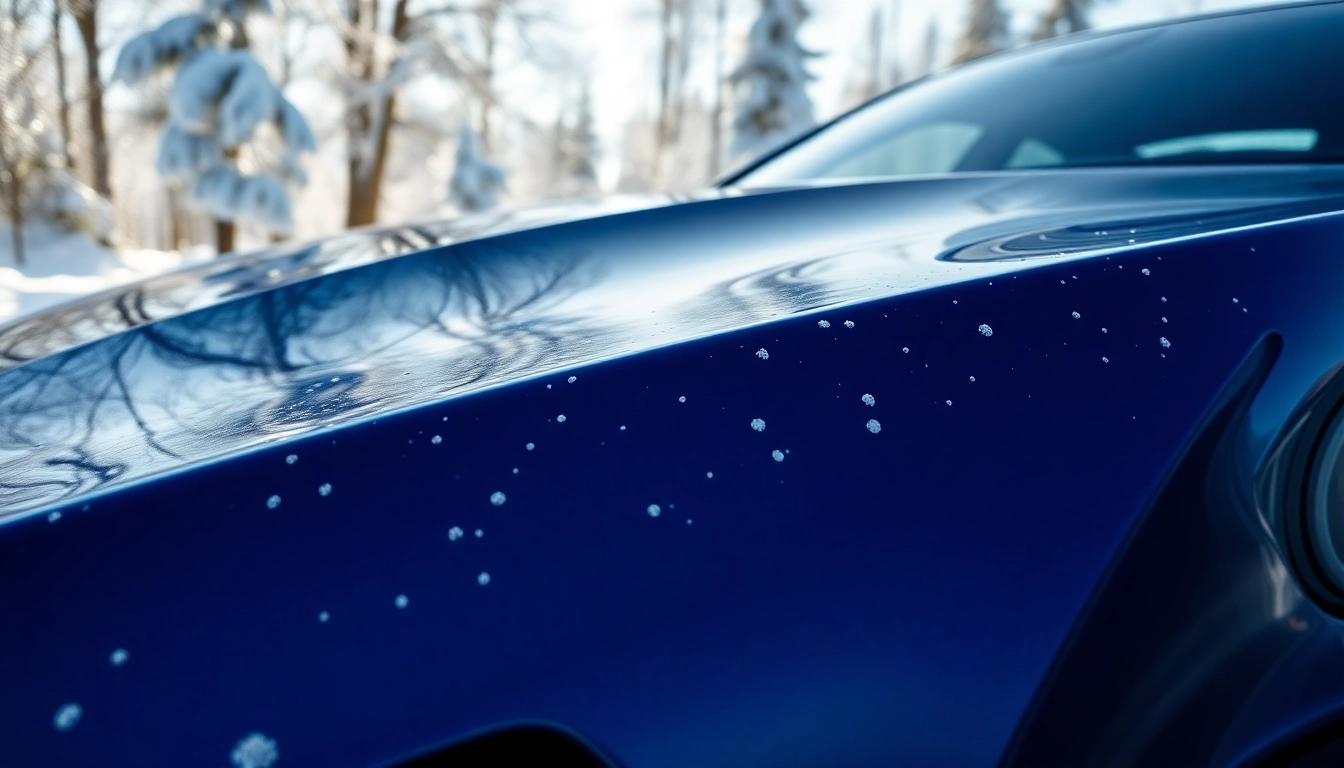
Understanding PPF Winter Road Salt Protection
What is PPF and How Does It Work?
Paint Protection Film (PPF) is a transparent urethane film that is applied to a vehicle’s surface to protect its paint from damage caused by stones, scratches, environmental factors, and more. The film acts as a barrier, dissipating the impact energy that could result in paint chips or scratches. When it comes to winter driving, PPF serves an essential purpose by providing a layer of protection against road salt, which can be particularly hazardous to a vehicle’s exterior. The film is designed to be durable yet flexible, allowing it to absorb impacts while maintaining its transparency, ensuring that your vehicle’s aesthetic appeal is not compromised. To explore the significance of PPF winter road salt protection, it’s crucial to understand both its composition and functionality.
The Importance of Winter Road Salt Protection
During winter, many regions use road salt to melt ice and snow on roads. Although effective at improving driving conditions, road salt is highly corrosive and can lead to significant damage to vehicle surfaces. The salt can cause rusting, deteriorating the undercarriage and body of the vehicle over time. Vehicles that are not adequately protected can experience paint chipping and oxidation, leading to costly repairs. This is where PPF plays a vital role by acting as a shield against the harsh effects of road salt, ensuring your vehicle remains in optimal condition throughout the winter months.
Benefits of Applying PPF Before Winter
Applying PPF before the winter season offers numerous advantages. Firstly, it significantly reduces the risk of damage from road salt and other winter debris. Secondly, the film’s self-healing properties allow minor abrasions to disappear with heat exposure, such as sunlight or the warmth from the engine. Thirdly, PPF makes vehicle maintenance easier. It repels dirt and grime, ensuring a cleaner surface with minimal effort. Overall, investing in PPF before winter is a wise decision that can save vehicle owners time, money, and frustration.
Common Challenges with Winter Road Salt
How Road Salt Affects Vehicle Surfaces
Road salt, primarily composed of sodium chloride, is highly effective in melting snow but detrimental for vehicles. When salt mixes with water and ice, it creates a brine solution that can permeate into tiny scratches and chips in the paint. Over time, this brine can lead to rust formation, weakening the vehicle’s structural integrity. Moreover, road salt can degrade the protective coatings on paint, making it more vulnerable to environmental effects, such as UV rays and moisture buildup.
Signs Your Vehicle Needs PPF Protection
There are several signs that indicate your vehicle could benefit from PPF. If you notice existing scratches or chips in the paint, or if the vehicle frequently encounters winter weather conditions, it’s a strong indicator that PPF can provide necessary protection. Additionally, vehicles parked outside often or used on salted roads can develop paint problems quicker and may require PPF application to ward off potential damage.
Challenges Faced by Vehicle Owners
Vehicle owners face numerous challenges during winter months, particularly regarding maintenance and preservation of their vehicles. Road salt, while effective against ice, can lead to increased repair costs due to corrosion and paint damage. Furthermore, ongoing preventive measures can be time-consuming and often overlooked. By understanding these challenges, vehicle owners can take proactive steps, such as applying PPF, to safeguard their investment.
Best Practices for Applying PPF
Surface Preparation for Optimal Adhesion
Proper surface preparation is crucial for the effective application of PPF. The vehicle’s surface must be free of dirt, oils, and existing waxes. Begin by thoroughly washing the vehicle, followed by a decontamination process using clay bars to remove embedded contaminants. After cleaning, the surface should be dried completely. Any imperfections, such as scratches or chips, should be repaired prior to PPF application to ensure a smooth finish.
Choosing the Right PPF for Your Vehicle
Selecting the appropriate PPF involves considering various factors, such as material thickness, clarity, and self-healing capabilities. High-quality films often have a thickness between 6 to 8 mils, providing substantial protection without adding bulk. Additionally, some PPFs come with a top coat that enhances hydrophobic properties, making cleaning easier. Researching and choosing a reputable PPF supplier is paramount to ensure that you’re investing in a product that offers the best protection for your vehicle.
Steps for a Successful Application
The application of PPF can be complex, but following systematic steps can yield excellent results. First, measure and cut the film according to the specific sections of the car being covered. Next, spray a solution of water and a mild soap on the surface and the adhesive side of the film for easier positioning. Apply the film gently, starting at one edge and working your way across to avoid air bubbles. Use a squeegee to secure the film, drawing out any trapped air or moisture. Finally, use a heat gun to gently warm the edges of the film, ensuring a tight fit against the vehicle surface.
Maintaining PPF During Winter Months
Cleaning Tips for PPF-Coated Vehicles
Maintaining the appearance and protection of PPF-coated vehicles involves regular cleaning. Use a soft microfiber cloth or sponge and a pH-balanced automotive soap to gently wash the surface. Avoid harsh chemicals and abrasive materials that can scratch the film. Instead of pressure washing, hand-washing is recommended to maintain the integrity of the film. After washing, thoroughly rinse and dry the vehicle to prevent water spots, especially in winter when road salt and debris can accumulate.
Inspection and Maintenance Routine
A regular inspection routine is critical for ensuring the longevity of PPF. Vehicle owners should check for signs of wear, such as lifting edges or bubbles, and address these issues immediately. Additionally, inspect the film after harsh winter weather conditions. Routine maintenance should also include waxing the PPF with a sealant that is safe for vinyl to enhance the film’s durability against salt and grime.
Common Mistakes to Avoid
Several common mistakes can undermine the effectiveness of PPF. One such mistake is neglecting surface preparation, which can lead to poor adhesion. Another mistake involves the improper cleaning of the film; always avoid abrasive cleaners and heavy-duty pressure washing. Most importantly, failing to inspect and maintain PPF can result in costly damage going unnoticed. By avoiding these mistakes, vehicle owners can ensure their PPF provides the maximum level of protection against winter elements.
Frequently Asked Questions about PPF Winter Road Salt Protection
How long does PPF last in winter conditions?
With proper care, PPF can last up to 10 years even in winter conditions. Its durability depends on maintenance and environmental factors.
Can PPF be repaired if damaged?
Yes, PPF can often be repaired with specialized products or by replacing damaged sections, making it a resilient protection option.
Is PPF worth the investment for winter?
Absolutely! PPF protects against road salt, scratches, and other winter-related damage, saving you repair costs in the long run.
How do I choose the best PPF for winter protection?
Select a high-quality PPF known for its durability against harsh winter elements. Look for UV protection and self-healing properties.
Will applying PPF affect my vehicle’s appearance?
High-quality PPF enhances your vehicle’s appearance by adding a gloss finish, and it’s designed to be virtually invisible.